


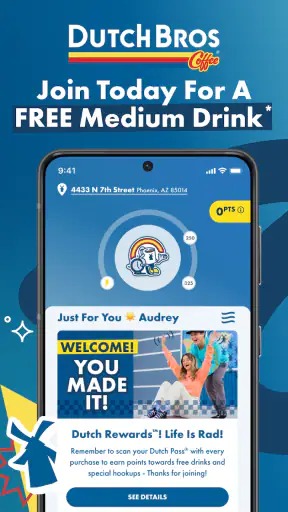
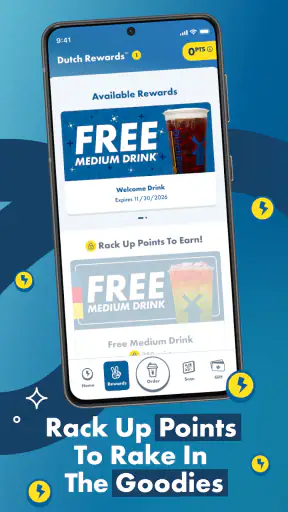
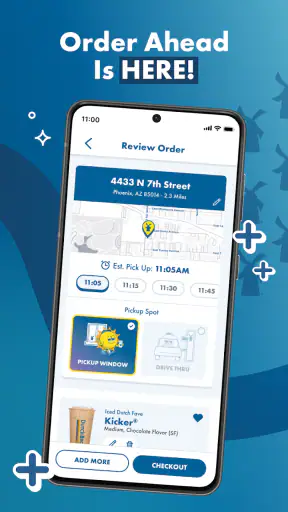
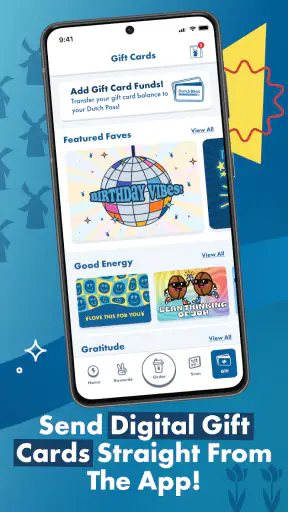
I found Dutch Bros most useful when I treated it as a small routine rather than a general food-ordering app. It is a free Food & Drink app from Dutch Bros Coffee built around ordering, paying, and collecting rewards, and that narrow focus is also its biggest strength. If you already stop at Dutch Bros regularly, moving the habit into the app can make repeat visits feel more organized. If you only visit occasionally, the benefit is less obvious and the app may feel like another account to maintain.
My first impression was that the app makes the most sense in the moments when I already know what I want. It is not trying to replace every restaurant app on my phone. Instead, it gives Dutch Bros customers one place to handle a drink purchase and keep track of the rewards side of that relationship. That makes it easy to understand, but it also means the value depends heavily on how often Dutch Bros is part of your normal week.
Why the first week feels useful
The first-week appeal comes from reducing small points of friction. Rather than treating every visit as a separate cash, card, or counter transaction, I can use the app as a repeatable starting point for my Dutch Bros trips. That is especially handy on busy mornings, when deciding what to order is already enough work and I would rather not repeat the payment steps from scratch.
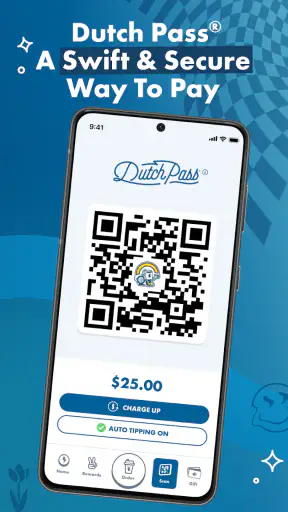
The basic flow is easy to explain: choose what you want, pay through the app, and build toward rewards. The store summary captures that purpose in three short actions, but the practical difference is that these actions are connected. Ordering is not just ordering, and payment is not just payment; each visit can also contribute to the rewards habit. That combined workflow is why the app feels more worthwhile after several visits than it does after opening it once.
I also like that the app is free to install. There is no purchase decision before testing whether it fits my routine, so a new customer can try it without treating the download as a commitment. Its Everyone content rating makes it approachable for a broad audience, although younger users should still use an appropriate payment arrangement and account setup with the adults responsible for them.
For a first visit, I would not rush through setup while standing in a crowded line. I would install the app beforehand, sign in calmly, and make sure the payment method is ready before arriving. That simple preparation matters more than it sounds. A rewards app is most helpful when it removes decisions at the counter, not when it creates a new login or payment task at the exact moment I am trying to get my drink.
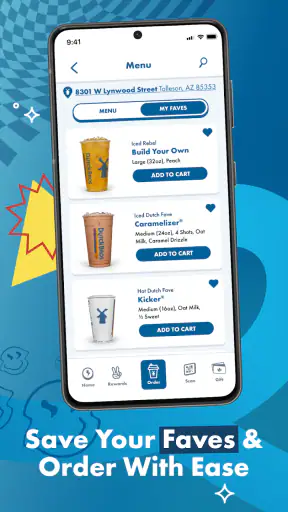
A realistic example is a weekday commute. I leave home late, know I want the same Dutch Bros drink I had earlier in the week, and do not want to wait while searching through options or handling payment manually. In that situation, the app earns its place quickly. I can use the familiar order as the anchor for the visit, pay in the same place, and let the reward progress happen in the background.
That convenience has a limit, though. The app cannot make an infrequent customer suddenly need Dutch Bros more often. If I am visiting a new coffee shop every day, comparing menus, or choosing whichever café is closest, a single-brand app is naturally less useful than a broader delivery or restaurant platform. The first week is strongest when I already have a preference, not when I am still exploring the entire coffee market.
What the rewards habit changes
The rewards element is the part that can turn a one-time download into a regular tool. I do not have to remember a separate punch card or rely on a receipt staying in my wallet. The app gives the purchase a continuing context, which is psychologically helpful even when the reward itself is not the only reason I visit.
My advice is to think of rewards as a bonus attached to purchases I would make anyway. That keeps the habit sensible. If I start adding unnecessary visits just to keep the app active, the convenience is working against me. The best use is to let the reward progress follow my existing coffee routine rather than allowing the reward system to dictate it.
Another useful first-week test is to compare the app with your usual payment method, not with an imaginary perfect experience. Ask whether it saves time, makes repeat orders easier, or helps you remember the rewards side of the purchase. If it does none of those things, the app has not yet earned a permanent place. A download alone is not proof of value.
What remains valuable after the novelty fades
After the excitement of trying a new app wears off, Dutch Bros has to justify itself through repetition. In my experience, its lasting value is tied to three recurring behaviors: visiting Dutch Bros often enough for rewards to matter, ordering with enough consistency to appreciate a familiar workflow, and preferring a dedicated brand experience over a general payment option.
The app is more compelling for a regular customer than for someone who buys coffee only once in a while. A frequent customer gets repeated exposure to the same order-and-pay path, so even small conveniences accumulate. The rewards feature also has more practical meaning when purchases happen naturally throughout the month. For an occasional visitor, the administrative side can take up a larger share of the experience than the benefit.
This is where the app compares differently with ordinary card payment. Paying directly with a card is often simpler for a single visit because it requires no dedicated app habit. However, that approach does not give the visit the same rewards-centered structure. Dutch Bros is therefore not automatically better than a card; it is better when the ongoing reward and ordering routine are worth more to me than the simplicity of tapping a wallet or card.
It also differs from a broad delivery service. A multi-restaurant app is useful when I want to compare several places or combine different types of food in one search. Dutch Bros is more focused. That focus can make the experience less cluttered for a loyal customer, but it removes the flexibility that makes general food platforms attractive. I would choose the dedicated app for a known Dutch Bros stop and a broader service when the destination itself is undecided.
One non-obvious benefit is that the app can act as a memory aid for a recurring routine. I do not have to depend entirely on remembering how I paid last time or whether a visit was connected to my rewards activity. That is not a dramatic feature, but it matters for people who make quick purchases during commutes, school runs, or work breaks and do not want to manage every detail mentally.
A second practical insight is that the app works best when I separate discovery from execution. I prefer to decide what I want before the rushed part of the morning, then use the app to complete the familiar purchase. When I use it as a last-second menu exploration tool while distracted, the advantage becomes smaller. The app is strongest as a reliable routine tool, not necessarily as a leisurely café browsing experience.
A third trade-off concerns loyalty. A dedicated rewards app can encourage me to consolidate purchases with one brand, which is useful if Dutch Bros is already my favorite. But that same structure can make me less flexible. If another café is closer, cheaper, or better suited to the occasion, I should not let accumulated progress become the only reason I choose Dutch Bros. The app supports loyalty; it should not replace judgment.
Keeping it useful without creating another chore
Maintenance is fairly light when the app is used regularly, but it is not zero. I need to keep the app installed, keep my account accessible, and make sure the payment setup remains usable. I also need to remember to use the app at the right point in the purchase instead of paying another way and then wondering why the visit did not fit the routine I intended.
That maintenance becomes more noticeable during long gaps between visits. A person who opens the app every morning will not experience the same friction as someone who returns after several weeks. For occasional customers, I would keep expectations modest: the app can still be convenient, but it may not deserve a prominent place on the home screen. Storing it in a food folder is a sensible compromise if I want it available without turning it into a daily prompt.
The current version is 3.22.0, and the app requires at least OS 10. That makes device compatibility an important practical check before relying on it for a planned visit. I would also avoid updating or changing account details at the last possible moment before leaving for work. A little preparation protects the exact situation in which the app is supposed to save time.
Because it is a payment-related app, I would treat account access with the same care I use for any service connected to money. I would not casually share login details, and I would check the selected payment method before confirming an order. These are ordinary precautions, but dedicated brand apps can feel informal enough that people forget they are still handling a purchase.
The developer is Dutch Bros Coffee, which gives the app a clear purpose but also defines its boundaries. I should not expect it to become a universal wallet, a full restaurant comparison tool, or a replacement for every way of buying food and drinks. Its maintenance burden stays reasonable precisely because the scope is narrow. The downside is that the app has fewer reasons to open when I am not thinking about Dutch Bros.
Where long-term fatigue can appear
The main source of fatigue is repetition without enough personal benefit. If I order different things from different places and visit Dutch Bros only occasionally, the app can start to feel like a reminder of a habit I do not actually have. The download is free, but my attention is not. Every account, notification, and payment workflow competes with other apps that may serve a wider range of needs.
Another possible frustration is relying on a dedicated app during an unexpected change of plan. If I intended to visit Dutch Bros but end up somewhere else, the app has little to offer in that moment. A general payment method is more adaptable because it follows me across merchants. This is a clear case where the alternative is better: when flexibility matters more than brand loyalty, I would use the general option.
There is also a psychological fatigue that comes from rewards systems in general. Progress can be motivating, but it can also make an ordinary purchase feel like a task to optimize. I try to avoid checking every visit for strategic value. If the reward path makes me overthink a simple coffee stop, the app is no longer serving the routine; I am serving the app.
Customers who prefer face-to-face ordering may also find less value here. The app is designed for a more self-directed process, so it is not the right choice if the main appeal of a coffee run is asking questions, changing plans at the counter, or discovering something through conversation. It can support a known order better than an uncertain one.
My practical way to avoid fatigue is to review the habit after a few ordinary weeks rather than judging it on the excitement of the first download. Am I using it because it saves time? Am I naturally returning to Dutch Bros? Does the rewards progress feel like a pleasant extra rather than pressure? If the answers are mostly no, uninstalling it is reasonable. A useful app should earn continued space through behavior, not guilt.
The public response suggests that many people do find the concept worthwhile: Dutch Bros has an average rating of 4.5 from around 120 thousand ratings, with more than 53 thousand written reviews and over 1 million installs. Those figures show substantial adoption and a generally positive reception, but they do not remove the need to match the app to my own routine. A popular dedicated app can still be unnecessary for an occasional customer.
My long-term verdict on keeping it installed
I would keep Dutch Bros installed if I visited the chain regularly, preferred ordering ahead or managing payment in one place, and cared about building rewards through normal purchases. In that situation, the app has recurring value that survives the first-week novelty. It becomes a small piece of a familiar routine rather than another app I open only to see what it does.
I would skip it if I rarely visit Dutch Bros, rotate among many coffee shops, or prefer the universal simplicity of a card or mobile wallet. I would also skip it if rewards tend to push me into purchases I would not otherwise make. The app is free, but that does not make every download worthwhile; the real cost is the attention needed to maintain another brand-specific habit.
For most likely users, the best workflow is straightforward. Set it up before a busy visit, use it for orders you already understand, check the payment choice before confirming, and let rewards accumulate naturally. Do not use it as a reason to buy more than planned, and do not expect it to replace broader food apps when you want comparison or flexibility.
Its age rating of Everyone and its free price make trying it easy, while its focused design keeps the learning curve manageable. The more important question is not whether I can install it, but whether Dutch Bros appears often enough in my life for the repeated workflow to matter. That is the dividing line between a useful companion and digital clutter.
My final view is positive but conditional. Dutch Bros earns lasting space for a regular customer because it connects ordering, payment, and rewards in a way that becomes more useful through repetition. It is not a universal coffee solution, and it is not automatically superior to paying normally. Its real strength is dependable routine value, not novelty. If that describes your coffee habits, I would recommend trying it. If it does not, the usual payment method may remain the cleaner choice.


